
Mastering Hybrid Cloud Architecture with DevOps: Best Practices for CTOs

“89% of enterprises now use two or more cloud providers” – Flexera State of the Cloud Report The era of single-cloud strategies is quickly losing relevance. While still suitable for some use cases, relying exclusively on a single cloud provider is becoming less practical for modern enterprises. Today, organizations are turning to hybrid and multi-cloud […]
Cloud Cost Optimization: Proven Strategies to Reduce Waste and Improve Efficiency
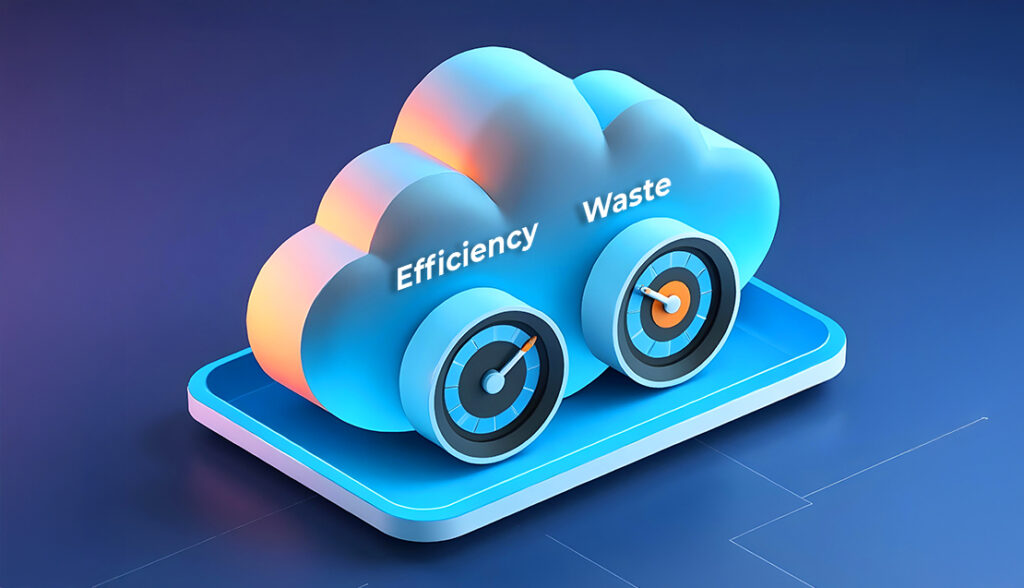
As organizations expand their digital footprint in the cloud, the financial impact has become increasingly significant. Cloud computing has revolutionized how businesses operate, providing unprecedented scalability and flexibility. However, this convenience introduces a new level of financial complexity that many businesses find difficult to manage. Cloud spending is no longer a minor line item—it now […]
Accelerating Software Delivery: A CTO’s Guide to Balancing Speed and Quality in CI/CD Pipelines

CTOs face a persistent challenge: how to accelerate software delivery without compromising on quality. Speed is essential for staying competitive, but moving too fast can introduce bugs, security risks, and user frustration. On the other hand, over-engineering for quality can delay releases and stifle innovation. This tension plays out daily in CI/CD pipelines, where the […]
AWS Cost Optimization Best Practices: Proven Strategies to Cut Cloud Expenses
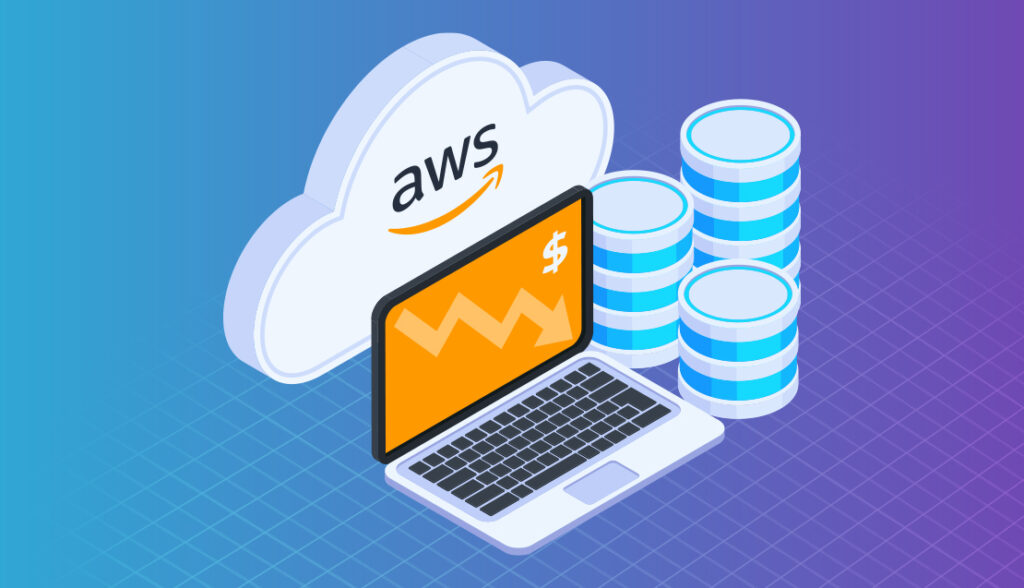
Managing Amazon Web Services (AWS) costs effectively is a challenge for businesses of all sizes. While AWS offers unparalleled scalability and flexibility, many organizations find themselves overspending due to underutilized resources, inefficient architectures, or simply a lack of cost awareness. In fact, studies show that up to 30% of cloud spending is wasted on idle or over-provisioned […]
FinOps Automation: The Key to Driving Efficiency in Cloud Cost Management

Are you tired of unexpected cloud bills? Do you spend countless hours manually reviewing cloud costs, only to feel like you’re constantly playing catch-up? The reality of cloud cost challenges Picture this: It’s the end of another month, and your finance team is burning the midnight oil, manually compiling cloud usage reports from multiple platforms. […]
The Role of FinOps Visibility in Cloud Cost Management

Cloud computing has revolutionized how businesses operate, offering scalability, flexibility, and access to cutting-edge technologies. However, this power comes with a price. Gartner predicts that through 2024-2026, more than 80% of organizations will significantly overspend on cloud by 20% to 50% due to factors like lack of visibility and proper cloud financial management. In today’s cloud-first […]
Shift Left Strategy and DevOps: How Collaboration Drives Innovation and Cost Efficiency

Why Shift Left matters The world of software development is constantly evolving, and one philosophy that is gaining a lot of attention in the industry is Shift Left. This approach reshapes how teams prioritize quality, security and efficiency by moving traditionally late-stage processes to earlier points in the development lifecycle. In this manner, it empowers development […]
Unlocking Global DevOps Talent: How Remote Work Expands Your Hiring Horizons for DevOps Services

The myth of local limitations Many companies still cling to the outdated notion that their DevOps talent pool is limited to their immediate geographic area. This mindset isn’t just restrictive—it’s potentially damaging to your company’s technological growth and innovation. As the demand for DevOps services, automation, and cloud expertise grows, organizations that fail to look […]
Mastering Helm: A Guide to Kubernetes Package Management
Deploying applications on Kubernetes in a production environment can be a complex and tedious task. Each production grade deployment requires multiple YAML files. DevOps teams across the world struggle with managing these files which often results in error prone deployment and countless hours wasted to handle this. This complexity increases as the applications scale and the infrastructure […]
6 Essential Containerization Best Practices for Your Next Project
Software development is continuously evolving, and containers have become a real game-changer technology in this field. They are used to build, deploy and manage applications by the devops teams of some of the biggest tech companies in the world. These lightweight, portable units of software, designed to run anywhere, have become the backbone of modern […]