

From DevOps to Platform Engineering: What Changes for Infrastructure Teams

Platform engineering is no longer a concept that lives on conference slides. Engineering teams that scaled up on DevOps practices are hitting the same wall at roughly the same growth stage i.e tooling proliferates, pipelines multiply, and developers spend more time navigating infrastructure than writing product code. This blog post breaks down what platform engineering […]
Multi-Cloud DevOps: Why Operations Are Harder Than Ever

It’s 2am. A P1 alert fires. Your on-call engineer pulls up CloudWatch, sees elevated latency on an AWS Lambda function, then pivots to Azure Monitor to check the downstream API it’s calling, only to find the alerting thresholds are configured differently, the trace context is gone, and there’s no unified view of what’s actually broken. […]
DevOps Automation: What to Automate (And What Not to)
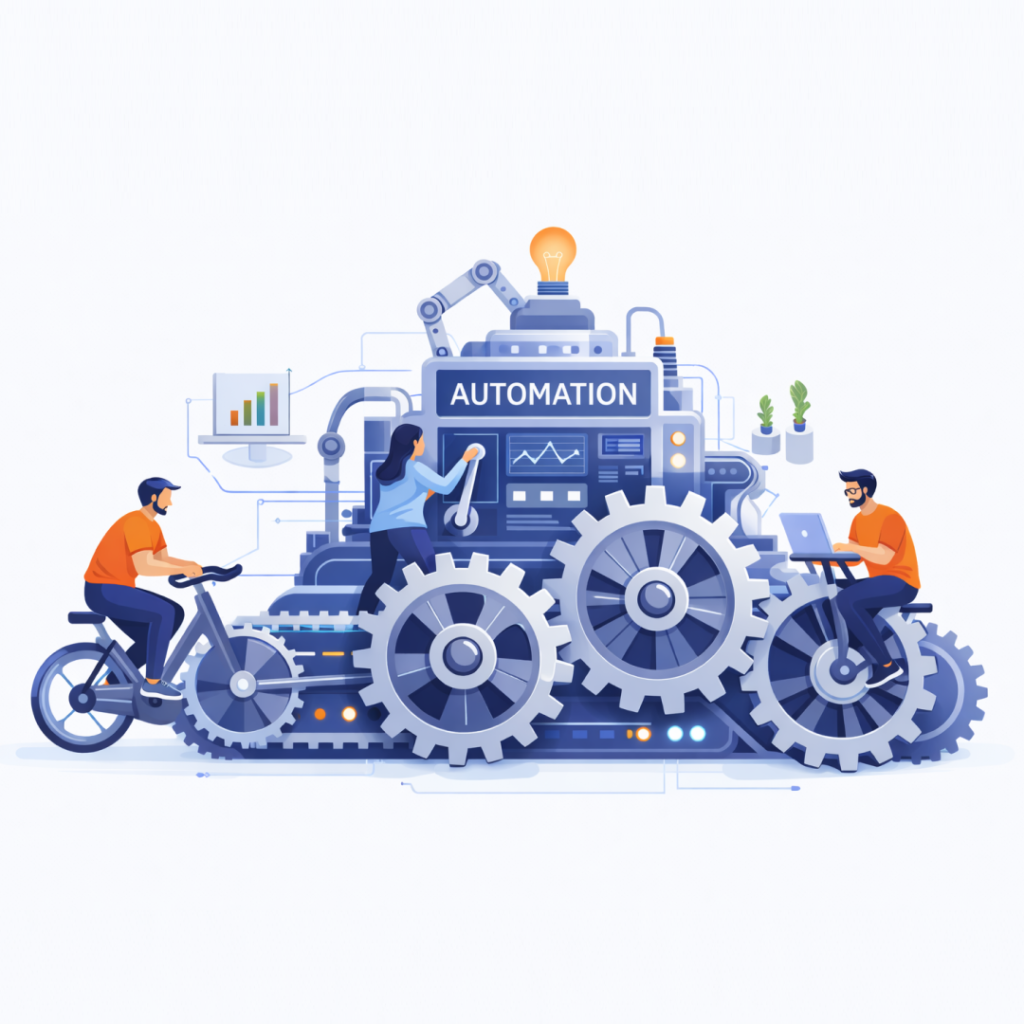
TLDR Every conversation about DevOps eventually circles back to one question i.e what should we automate next? And honestly, that instinct is right. Automation sits at the core of what makes modern software delivery fast and reliable. But there’s a misconception that’s quietly causing problems across engineering teams, the idea that the goal of DevOps […]
DevOps Talent Shortage & DevOps as a Service

TLDR The DevOps talent shortage is structural, not temporary. Demand for skilled engineers is outpacing supply across every market. Hiring in-house is slow, expensive, and risky. No single engineer covers everything modern DevOps requires cloud, Kubernetes, CI/CD, IaC, DevSecOps, and observability all demand deep specialization. DevOps as a service gives companies immediate access to a […]
Scaling DevOps in the Age of AI

TLDR AI workloads add new operational layers including data pipelines, GPU clusters, and experiment tracking Managing AI infrastructure is far more resource-intensive than traditional application infrastructure Constant experimentation means more pipelines, more environments, and more automation requirements Monitoring AI systems goes beyond uptime and requires model performance tracking and data drift detection AI adoption is […]
Scaling DevOps for Fast-Growing Engineering Teams

TLDR Fast-growing engineering teams often outgrow their original DevOps setup. What worked for a small team quickly becomes a bottleneck as services, environments, and deployments multiply. Scaling DevOps requires pipeline optimization, infrastructure standardization, and smarter environment management. Optimize Your Cloud Strategy Today Get a Free Calculation Every engineering team hits a point where the old […]
Insured Cloud Commitments: Reducing Risk in Cloud Purchasing
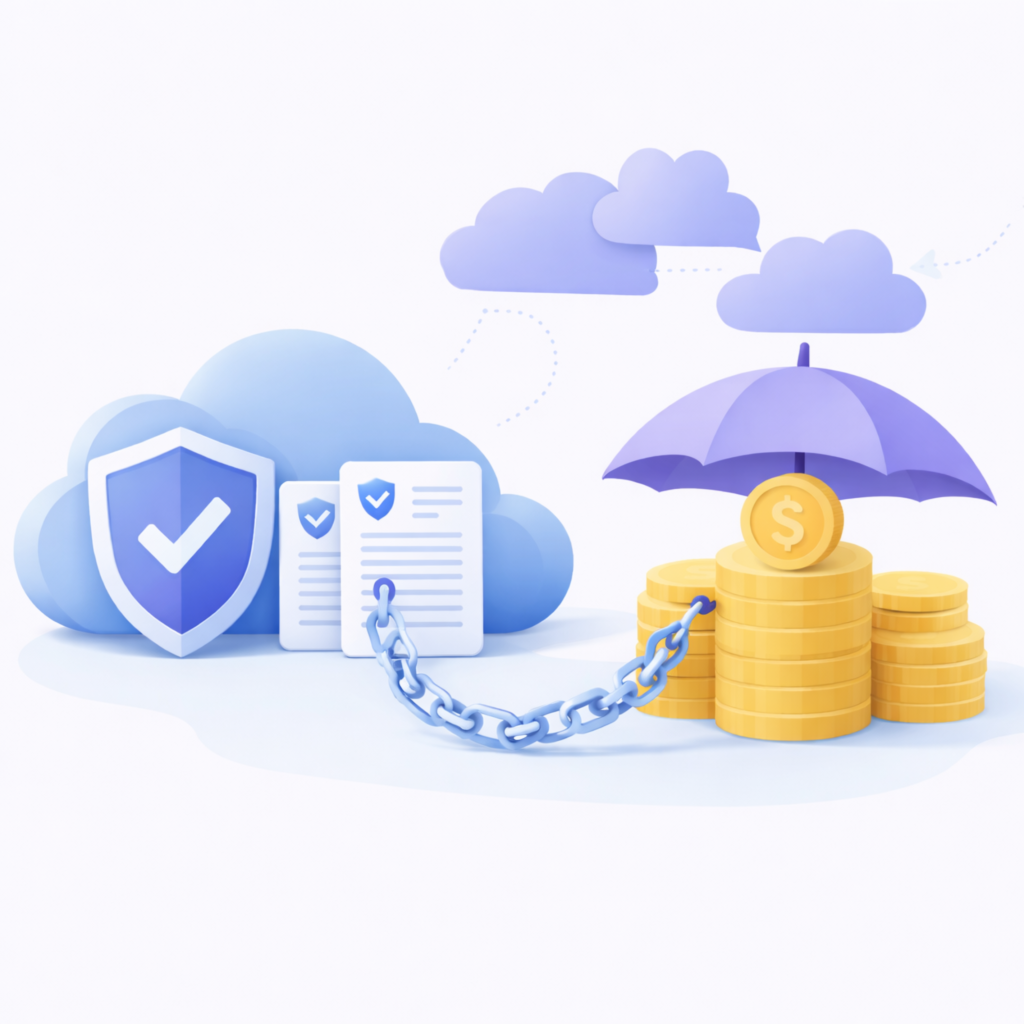
TLDR Cloud commitments can significantly lower unit costs Over-committing introduces real financial risk Excess commitments lead to wasted spend and unused capacity Forecasting errors are common, especially in dynamic workloads Insured commitments reduce downside exposure Discounts can be captured without relying on perfect forecasts FinOps discipline keeps commitment decisions rational Risk protection turns long-term purchasing […]
Cloud Cost Optimization on Oracle Cloud: Practical Techniques That Work
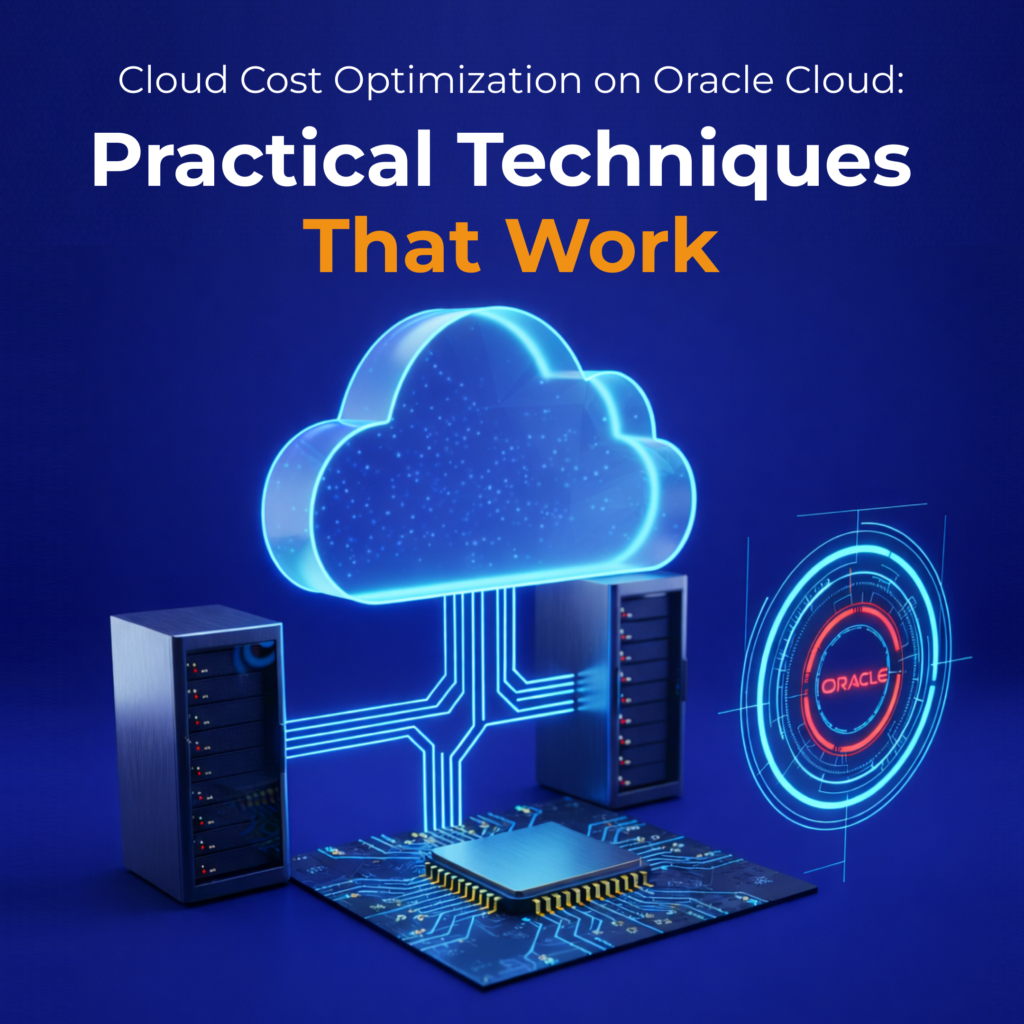
Practical Oracle Cloud cost optimization techniques to cut waste, rightsize resources, and apply FinOps – with proven methods to achieve 25–40% savings fast.
Migrating DevOps Workloads to Oracle Cloud: What to Prepare in Advance

TLDR Successful DevOps migration to Oracle Cloud is 80% preparation, 20% execution Workload assessment and dependency mapping prevent costly surprises during migration CI/CD pipelines, IAM structures, and network architecture must be designed before moving workloads Oracle cloud migration offers an opportunity to modernize infrastructure, not just relocate it Proper preparation reduces downtime by up to […]
FinOps Automation: Turning Cloud Spend into a Managed Process

TLDR Cloud spend grows exponentially because cloud environments are dynamic, distributed, and constantly changing, and manual tracking cannot keep pace. Visibility alone is not enough. Seeing waste doesn’t prevent it, and action must be automated to stop unpredictable costs. FinOps automation transforms cloud cost from a reactive fire drill into a managed, measurable operational process […]